How Integrated EHR Billing Systems Improve Claim Processing
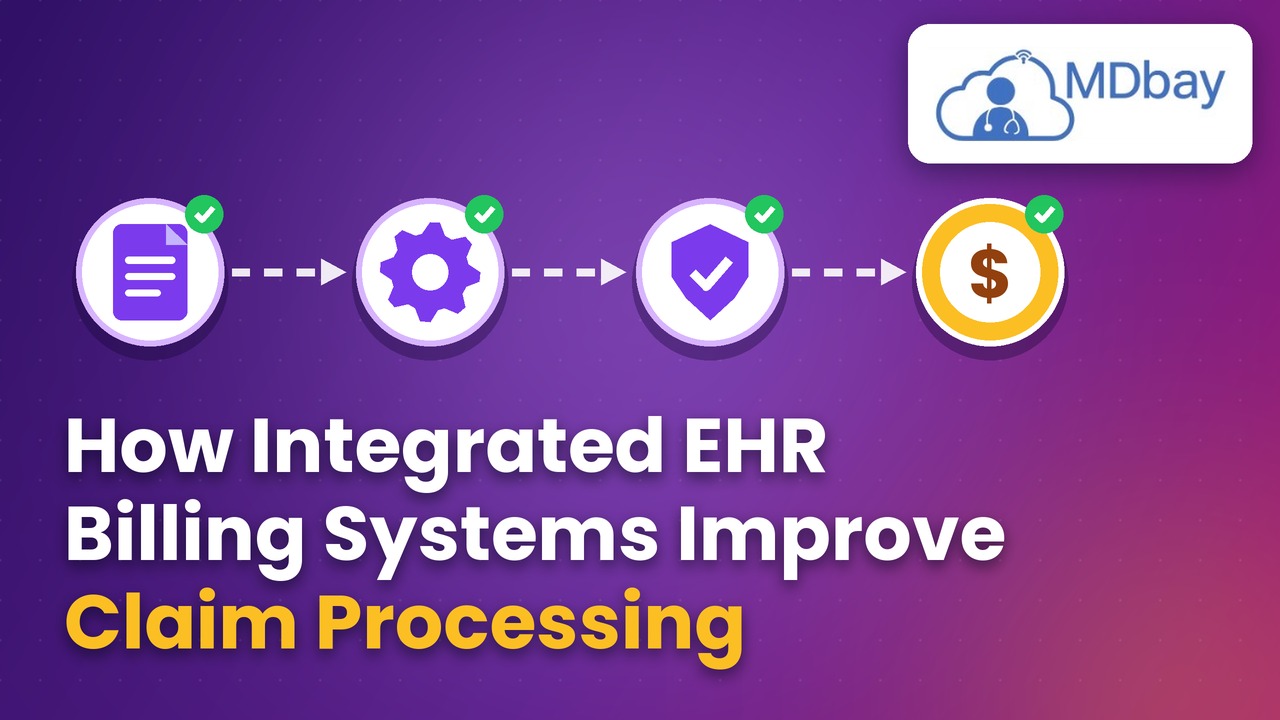
Medical billing is one of the crucial aspects of healthcare administration. Every day, clinics manage patient records, insurance information, and claims for billing. Tasks involve getting the right information and documentation. Claim delays or rejections can be caused by even the smallest error. An integrated EHR billing system streamlines these tasks by allowing clinics to run them all in a single system. Integrates EHR with billing processes. This can minimise duplicate data entry and ensure the accuracy of data. There are several steps in medical claim processing. Staff are responsible for checking out patient details and insurance coverage. They also need to review billing codes and services. When missing information occurs, it can cause issues when submitting claims. Integrated software aids staff in organising these tasks. It may also help ensure that errors are easier to detect prior to filing claims. Results are dependent on the features and usage of the system by staff. Healthcare clinics need to be familiar with the features of the integrated billing system. They should also look at the features of the software before choosing it. The appropriate answer can assist in organised workflows and enhanced claim tracking. May allow staff to spend less time on repetitive tasks. This article details how a billing system can be improved by integrating with EHRs.
Check Insurance Details
Clinics should have specific procedures for verifying patient records. Staff need to verify that insurance information is up to date and that patient information is accurate. Any change in coverage should be added to the record as soon as possible. This can help staff to not utilise outdated data when they are ready to file a claim. Using clear checks can also minimise billing problems.

Review Records Often
Clinics can discover errors before they impact billing by having regular record checks. Staff should refresh themselves on important points and correct any gaps identified. They should also ensure they are updating the correct fields.
Minimise Manual Invoicing Work
Some repetitive tasks can be mitigated by an integrated EHR billing system that links the clinical documentation process with the billing workflows. The system can also move pertinent patient information into billing records, as appropriate based on the system's capabilities. Routine activities can also be completed through templates and automated checks, with staff able to do this too. These can assist employees to concentrate on reading information rather than entering it over and over. This doesn't mean that automation eliminates the need for human input. Staff will check and validate documentation and problem codes, and ensure that documentation is complete. Additional information or manual handling in some cases may be needed. Before choosing the software, clinics should consider what their top billing tasks are that they wish to automate. There is scope for the use of an appropriate system to ease routine tasks and enhance staff time.

Assist in Faster Claim Preparation
Documentation and complete billing information are necessary when preparing insurance claims. Staff need to check that the services offered and the necessary information are available. When information is missing, it can cause delays in submission and extra work. A controlled billing and EHR system can combine clinical and billing info. This can assist staff in getting the information they require to create claims. Integrated workflows may also make it easier to avoid having to navigate between different applications. Billing staff can, for instance, review services documented and the associated information before completing a claim. This can be supported by software but will require staff to ensure that each claim is correct prior to submission.
Key Points
-
Clinical and billing information are integrated.
-
Staff will have more convenient access to claim details.
-
Proper records aid in claim preparation.
-
Delays in submission can be avoided with complete information.
-
Repeated data entry is minimized with connected workflows.
-
Patient information is easily accessed by staff.
-
Efficient billing is achieved by better coordination.
-
Having organised records helps claims process more smoothly.
Claim Status is More Easily Tracked
Once the claim is submitted, staff must follow up on the claim. They might have to identify if the claim is received, processed, rejected, or paid. This information can be tracked to determine which follow-up claims need to go to the clinic. An integrated EHR billing system could offer dashboards or reports that indicate the status of claims. Staff can use these tools to help them organise outstanding claims and check important updates. Some systems will also allow alerts to be sent for claims that require attention. Tracking options vary based on software and its relationship with clearinghouses or payer systems. Before selecting which platform to use, clinics should ask for confirmation on which updates are available.

Organise Denial Data
Denial of data and patient records can be managed with the help of integrated billing software. Common reasons for claim denials may be apparent in available reports. Staff can check these documents to identify repeated errors and delays. This can assist the clinics in enhancing their billing procedures and record checks. Data can also be used to inform teams of claims to help them manage them more carefully.
Develop Follow-Up and Training Skills
Denial reviews can be carried out regularly to identify areas where staff require further assistance or training. Clinics can utilise these statistics to enhance their everyday billing processes. Staff should maintain clear notes and monitor each claim to action completion. Managers can review trends and adjust work rules as needed.
Conclusion
Clinics can use an integrated EHR billing system to help link patient records to billing tasks. It can enhance the accuracy of information, limit repetitive tasks, and facilitate quicker claim preparation. Staff can also use claim tracking and denial management tools to help them keep up with follow-ups. But claims cannot be guaranteed because of software. Clinics need to keep accurate records, adhere to the requirements of the payers, and properly train employees. Regular reviews can help uncover issues that repeat and streamline billing. Clinics should compare features, security, pricing, and integration options before choosing a system. They should also take into account staff requirements and customer support available. The right solution can help with more streamlined medical claim processing and daily billing operations.