Is Web-Based Medical Billing Software Secure for Clinics?
Healthcare clinics handle delicate data on an everyday basis, such as patient information, insurance policy records, billing histories, and payment details. It's vital to protect these records, ensuring patient trust and preventing unauthorised access. With more and more healthcare providers transitioning their administrative work to the web, it is more important than ever to know what security level web-based billing platforms offer. By using access controls, encryption, activity monitoring, and backup systems, secure web-based medical billing software can help clinics safeguard financial and patient data. But it's not just about the software. How well information is protected is affected by the provider's practices, the internal policies of the clinic, and the use of the system by the employees.
Encryption: Securing Information in Transit and Storage.
Encryption is the process of transforming understandable information into a secure format that will not be easily deciphered by users without a key. This is a crucial security measure for vital healthcare and financial data. Clinics should enquire whether the software is encrypted, as it is transported from a user's equipment to the software. They should also enquire if there is adequate protection of stored records, backups, and exported files. Secure connections (HTTPS, current TLS) are used to help secure information passed via the browser.

Set Access - By Job Role
Not all records in a medical billing system need to be accessible to all employees. The tasks and activities of front desk personnel and billing personnel might be different. Other tools may also be required for managers and system admins.
Manage User Accounts
The better billing system should provide options for user account creation and management by admins. They should be able to alter access as staff change roles. Access should also be denied when an employee leaves the clinic. Shared accounts are not encouraged since it can be difficult to determine who made a modification to the account. Personal accounts can help to enhance control and review.
Review Access Rules
User permissions should be monitored at clinics periodically. Good rules and regular checks will keep patient information secure and enable a safe day's work.
Multi-Factor Authentication and Password Protection
A frequently used first line of defence against unauthorised access is a password. Online accounts can be compromised by weak passwords, using the same credentials on multiple accounts, or falling for phishing scams. Multi-factor authentication is an additional authentication verification layer on top of the typical password. The clinic should also have specific password procedures and not share passwords between clinic staff.
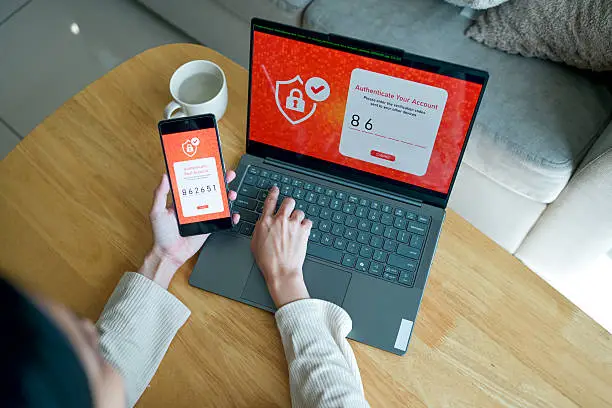
Staff should be aware of logon attempts made by people they don't know or from unexpected emails that request them to provide their account details. No matter how well-organized the billing platform is, if users reveal their passwords or confirm fraudulent logon attempts, the platform can be compromised.
Audit Logs and Activity Monitoring
The audit logs keep track of specific activities carried out in a system. They can be displayed when a user accesses a record, when the user changes information, or when the user takes an administrative action on the record, depending on the platform. These records will allow clinics to investigate unusual activity and what information was done with. They can also conduct internal reviews on billing changes when the change is unexpected. Prior to selecting a platform, you should query what events are being captured, what the log retention period is, and who can view the logs. It's also important to know if administrators can be alerted to suspicious activity. Audit logs are best when someone looks at them and then takes action on any issues raised. Gathering logs of activity does not necessarily mean that there is a way to detect unauthorized access.
Data Backups and Disaster Recovery
Access to critical billing data may be impacted by hardware failures, accidental deletion, cyberattacks, and service interruptions. Strong backup and recovery mechanisms assist clinics in preparing for these. Request the software vendor for the frequency of backups, where the backups are kept, and what security measures are adopted to protect the backups. Don't assume that a protected platform means it's secure for backup; it doesn't. Clinics should also know about the provider's recovery process and what is expected of them as far as restoring is concerned. If appropriate, enquire about testing of recovery procedures, and how the provider copes with significant service interruptions. An organization can recover vital information after an incident, if access is needed, with a clear recovery plan. Clinics should maintain their own continuity procedures in addition to, and not as a substitute for, the software vendor.
Secure Hosting and Software Maintenance
Enquire about the provider's security updates, response to new vulnerabilities, and system maintenance. Determine if it has suitable monitoring and if it has a procedure to investigate any problem with security. Clinics need to examine the provider's plan for system availability and maintenance. If normal service interruptions and maintenance are scheduled, the organisation should be aware of the interruptions and how the organisation is managing them.
Check Software Updates
Software updates can be used to resolve known issues and enhance system security. Clinics should enquire about the update frequency of the provider's tools. They should also be taught how to discover and manage new security threats. Over time, a clear update plan can help minimise potential risks. System maintenance can also be helpful in maintaining a good working system. Fostering employee training and everyday security practices. Encouraging employee training and day-to-day security techniques. When employees are no longer using billing systems, this access should be terminated immediately.

|
Security Area |
The Clinic Should Verify the Following |
|
Encryption |
Security for data that is transmitted and stored. |
|
Account Security |
Multi-factor authentication and individual user accounts. |
|
User Permissions |
Access based on the tasks users need to complete. |
|
Audit Logs |
Logs containing significant system-related information and activities. |
|
Backups |
Regular backups and tested data recovery procedures. |
|
Updates |
Documented maintenance and vulnerability management. |
|
Privacy |
Relevant legal requirements and contractual obligations. |
|
Integrations |
Controlled data sharing with connected systems. |
|
Incident Response |
A clear process for reporting and responding to incidents. |
|
Data Exit |
Arrangements for data export and deletion at the end of a contract. |
Conclusion
While web-based billing systems can be helpful in handling healthcare payments and insurance claims, the security of such systems relies on the protection measures that are supplied by the provider and the methods used by the medical centre. Using encryption, access controls, multi-factor authentication, audit logs, protected backups, and proper maintenance all help to strengthen security strategies. Security cannot be overlooked when selecting web-based medical billing software; clinics will have to think beyond the convenience and the features that are touted. They need to look at the provider's security documents, get to know how patient data is managed, and determine that the site can meet their legal and operational requirements. Few other things are as important as having trained staff, regular access checks, and a clear response strategy to any potential incident if good medical billing data security is to be maintained. With appropriate technology and uniform internal routines, clinics can minimise unnecessary risks and more responsibly handle and manage sensitive billing data.